Why Technical Consultation Is Essential Before Installing a Piping System
A successful piping project begins long before installation starts. Proper planning, careful product selection, and technical evaluation are essential to ensure the system performs efficiently throughout its service life. This is why technical consultation has become an important part of modern infrastructure and industrial projects. Every project has unique requirements, including operating pressure, fluid characteristics, environmental conditions, and installation methods. Without proper evaluation, selecting unsuitable products may lead to reduced performance, unexpected maintenance, or costly modifications after installation. Technical consultation helps identify the most appropriate piping materials, dimensions, and specifications based on project objectives. Experienced professionals can recommend solutions that balance performance, safety, and cost efficiency while ensuring compliance with relevant industry standards. Consultation also supports better project planning. By reviewing design requirements early in the process, potential challenges can be identified before construction begins. This proactive approach helps minimize delays, reduce installation errors, and improve overall project efficiency. In addition, professional guidance provides valuable insight into installation techniques, jointing methods, pressure testing procedures, and long-term maintenance practices. These considerations contribute significantly to the durability and reliability of the completed piping system. Choosing a supplier that offers both high-quality products and technical expertise creates added value for every project. Customers benefit not only from reliable materials but also from ongoing support that helps ensure successful implementation from planning to completion. At PT Suryaplast HDPE Indonesia, we believe every successful project starts with the right solution. Our experienced team is committed to providing professional technical consultation alongside premium HDPE piping products, helping customers build efficient, durable, and dependable piping systems for industrial, commercial, and infrastructure applications.
How to Select the Right HDPE Pipe Size for Your Project
Selecting the correct pipe size is one of the most important decisions in designing a reliable piping system. A properly sized HDPE pipe ensures efficient fluid flow, stable system performance, and long-term operational reliability. Conversely, choosing an incorrect size may lead to pressure loss, increased energy consumption, and unnecessary project costs. The first step is understanding the flow requirements of the project. Different applications require different flow capacities depending on the amount of water or fluid being transported. Accurately estimating flow demand helps determine the most appropriate pipe diameter. Operating pressure should also be considered alongside pipe size. A piping system must be capable of handling expected pressure levels while maintaining safety and efficiency. Choosing the correct pressure class ensures reliable performance under normal operating conditions. The installation environment is another key factor. Underground pipelines, industrial plants, irrigation systems, and municipal water networks each present different design challenges. Environmental conditions, soil characteristics, and installation methods all influence pipe selection. Future expansion should not be overlooked during the planning process. If increased capacity is expected as the project grows, selecting a pipe system that accommodates future demand can reduce the need for costly upgrades. Professional consultation plays an important role in making the right decision. Experienced suppliers can provide recommendations based on project specifications, applicable standards, and industry best practices to ensure optimal system performance. PT Suryaplast HDPE Indonesia offers a comprehensive range of HDPE piping products in various sizes and pressure ratings. Our technical team is available to help customers identify the most suitable solutions for projects of every scale.
5 Things to Consider Before Purchasing HDPE Pipes
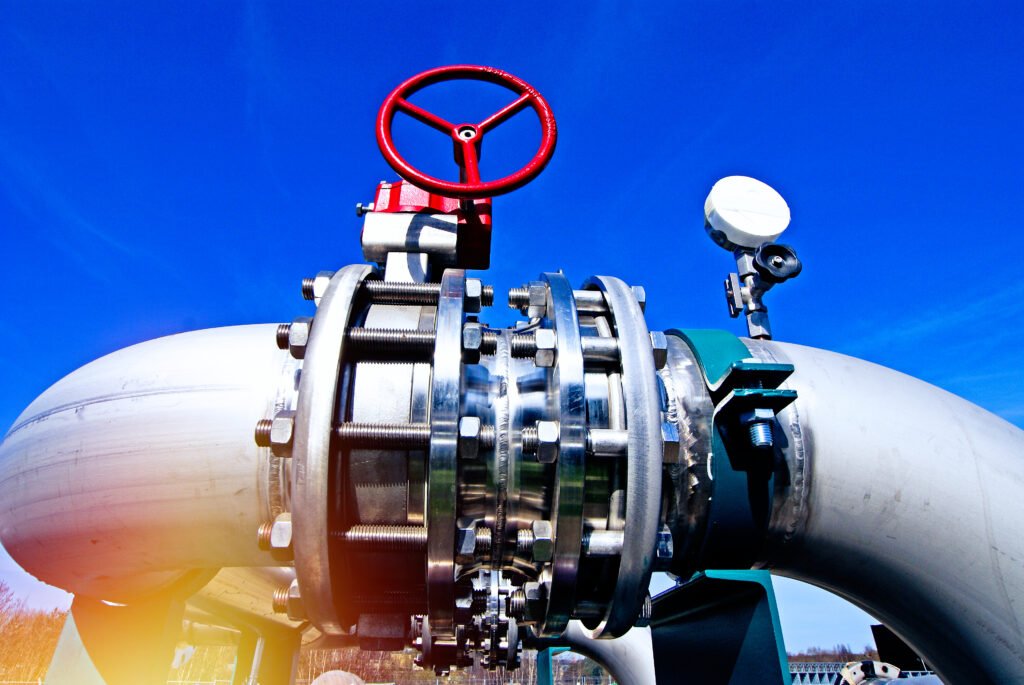
Choosing the right HDPE pipes is a crucial step in ensuring the success and longevity of any piping project. Whether for industrial facilities, commercial buildings, water distribution systems, or infrastructure development, selecting suitable products can improve operational efficiency while reducing maintenance costs over time. Before making a purchase, there are several important factors that should be carefully evaluated. 1. Determine Your Project Requirements Every project has unique specifications. Before selecting HDPE pipes, identify the type of application, operating pressure, flow requirements, installation environment, and expected service life. Understanding these factors helps ensure the selected products are suitable for the intended use. 2. Choose the Appropriate Pipe Size and Pressure Rating HDPE pipes are available in various diameters and pressure classes. Selecting the correct size allows efficient fluid flow, while the appropriate pressure rating ensures the piping system can safely withstand operating conditions. Consulting technical specifications is essential before making a decision. 3. Verify Product Quality and Standards High-quality piping products should comply with recognized national or international manufacturing standards. Products that meet these standards provide greater confidence in terms of durability, safety, and long-term performance. Always purchase from suppliers with a proven commitment to quality. 4. Consider Long-Term Cost Efficiency The purchase price should not be the only consideration. Evaluate the total lifecycle cost, including installation, maintenance, repairs, and expected service life. Investing in premium-quality HDPE pipes often results in lower operational costs over the years. 5. Partner with a Reliable Supplier A trusted supplier provides more than just products. Professional consultation, technical assistance, responsive customer service, and dependable delivery all contribute to the success of a project. Working with an experienced supplier ensures you receive the right products and reliable support from planning through installation. At PT Suryaplast HDPE Indonesia, we are committed to supplying premium HDPE piping solutions supported by professional expertise and responsive service. Our team is ready to help customers select products that best fit their project requirements.
The Importance of Quality Piping Systems in Modern Infrastructure Development
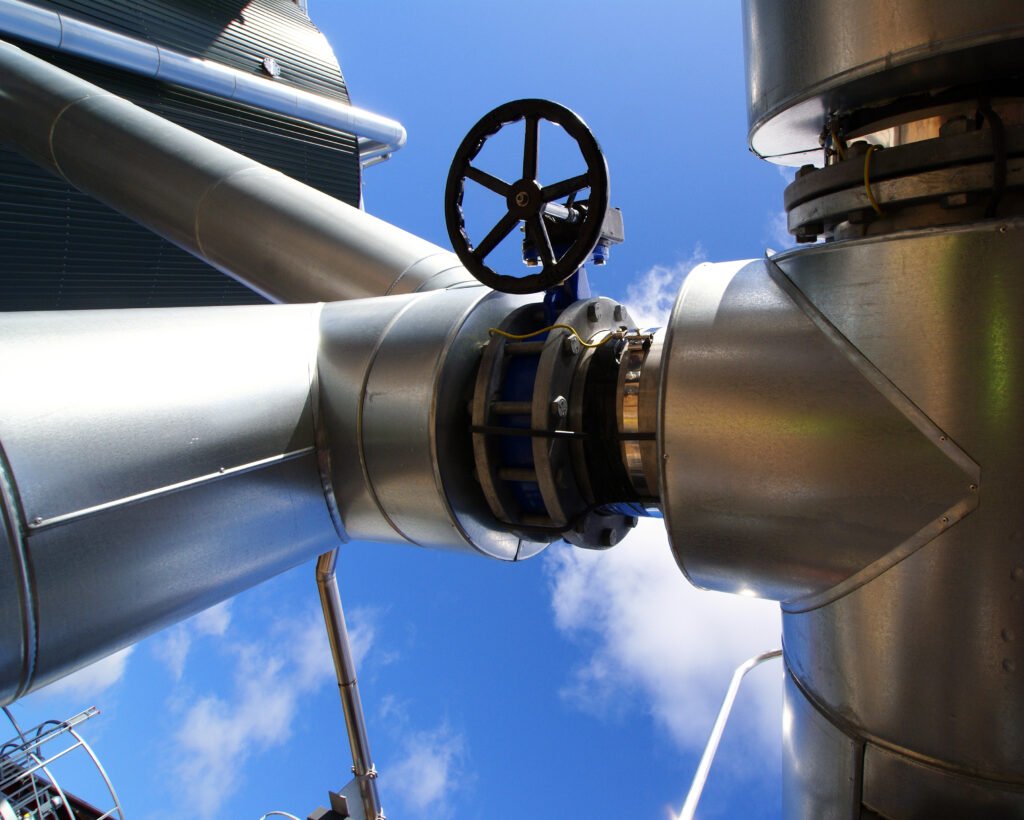
Modern infrastructure relies on dependable utility systems that support communities, industries, and economic growth. Among these essential components, piping systems play a crucial role in transporting water, wastewater, industrial fluids, and other resources safely and efficiently. Selecting high-quality piping solutions is therefore a fundamental investment in the long-term success of any infrastructure project. Reliable piping systems contribute significantly to operational efficiency. Durable materials help minimize leakage, reduce maintenance requirements, and improve overall system performance. As infrastructure projects are expected to serve communities for decades, selecting materials with proven durability helps lower lifecycle costs and maximize return on investment. Safety is another important consideration. Poor-quality piping systems may increase the risk of leaks, contamination, or structural failure, potentially causing operational disruptions and costly repairs. High-quality piping products manufactured according to recognized standards provide greater confidence in system reliability and public safety. Infrastructure projects are also increasingly required to meet sustainability goals. Modern piping materials such as HDPE offer long service life, excellent resistance to corrosion, and reduced water loss through leak-free joints. These characteristics support efficient resource management while minimizing environmental impact. Technological advancements have further improved piping system performance. Fusion welding technology, lightweight materials, and enhanced manufacturing processes enable faster installation, stronger connections, and improved operational reliability. These innovations help contractors complete projects more efficiently while maintaining high construction standards. In addition to selecting quality materials, successful infrastructure projects depend on careful planning, proper installation, and ongoing technical support. Working with experienced suppliers ensures that products, specifications, and installation methods align with project requirements from start to finish. As infrastructure continues to expand across industrial, commercial, and public sectors, the demand for reliable piping solutions will continue to grow. Investing in premium-quality piping systems today helps create safer, more efficient, and more sustainable infrastructure for the future. PT Suryaplast HDPE Indonesia is committed to supporting infrastructure development by delivering high-quality HDPE piping solutions backed by professional expertise, responsive service, and a dedication to customer satisfaction.
Common Mistakes to Avoid During HDPE Pipe Installation
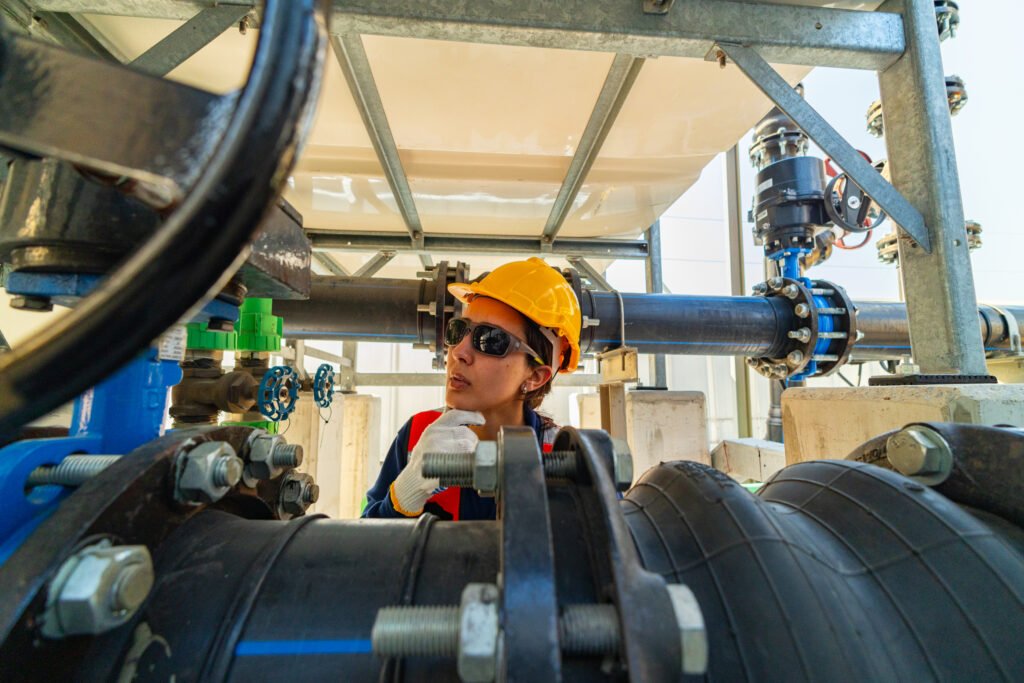
Proper installation is essential to maximize the performance and lifespan of an HDPE piping system. While HDPE pipes are known for their durability and flexibility, incorrect installation practices can reduce efficiency, increase maintenance costs, and compromise system reliability. One of the most common mistakes is selecting the wrong pipe specification. Using pipes with unsuitable pressure ratings, diameters, or wall thicknesses can lead to operational issues and increase the risk of system failure. Careful planning and consultation are necessary to ensure the chosen products match the project’s requirements. Another frequent issue is inadequate site preparation. Uneven trench bottoms, poor bedding materials, or insufficient support can create unnecessary stress on the piping system. Proper ground preparation helps distribute loads evenly and protects the pipes from external damage. Incorrect fusion welding techniques can also affect system performance. Since HDPE piping systems rely on heat fusion to create leak-free joints, welding procedures should always follow established standards and be carried out by trained personnel. Properly fused joints provide exceptional strength and long-term reliability. Ignoring thermal expansion and contraction is another installation challenge. Temperature changes may cause pipes to expand or contract, especially in above-ground installations. Incorporating appropriate design considerations helps maintain system stability and prevents unnecessary stress. Pressure testing should never be overlooked before the system is put into operation. Conducting comprehensive testing allows contractors to identify potential issues early, ensuring the entire pipeline performs safely and efficiently under operating conditions. Regular inspections during installation also contribute to project success. Monitoring alignment, joint quality, and installation practices helps prevent costly corrections after project completion. Working with experienced suppliers and qualified installation teams greatly reduces the likelihood of these common mistakes. Professional technical guidance ensures that every stage of the installation process meets industry standards and project specifications. PT Suryaplast HDPE Indonesia supports customers not only by supplying premium piping products but also by providing technical assistance to help achieve safe, efficient, and reliable installations.
Choosing the Right Piping System for Industrial Projects
Selecting the appropriate piping system is a critical step in ensuring the success, efficiency, and long-term reliability of any industrial project. Whether the project involves manufacturing facilities, water treatment plants, mining operations, chemical processing, or infrastructure development, the piping system plays a vital role in transporting fluids safely and efficiently. One of the first factors to consider is the nature of the material being transported. Different industries handle water, chemicals, wastewater, gases, or other specialized fluids, each requiring piping materials with specific performance characteristics. Choosing a piping system that is compatible with the transported medium helps prevent corrosion, leakage, and premature system failure. Operating pressure and temperature are equally important considerations. Industrial piping systems often operate under demanding conditions, making it essential to select pipes capable of withstanding continuous pressure and varying temperatures without compromising structural integrity. Proper pressure ratings and material specifications should always align with the project’s operational requirements. Environmental conditions also influence piping performance. Underground installations, coastal areas, industrial environments, and regions with unstable soil require materials that can resist corrosion, abrasion, and external stress. HDPE piping systems are widely recognized for their excellent resistance to chemicals, moisture, and ground movement, making them a preferred solution for many industrial applications. Another key consideration is installation efficiency. Lightweight piping materials simplify transportation and handling, reducing installation time and labor costs. In addition, fusion welding technology used in HDPE systems creates seamless joints that minimize leakage and improve overall system reliability. Maintenance requirements should also be evaluated during the planning stage. Selecting durable, low-maintenance materials can significantly reduce operational expenses over the lifespan of the project. Investing in high-quality piping systems often results in lower repair costs, fewer service interruptions, and improved long-term performance. Finally, partnering with an experienced supplier ensures access to quality products, technical consultation, and reliable after-sales support. A trusted supplier can recommend the most suitable piping solutions based on project specifications, helping customers achieve safe, efficient, and cost-effective installations. At PT Suryaplast HDPE Indonesia, we provide comprehensive HDPE piping solutions designed to support industrial and infrastructure projects across Indonesia. Our commitment to quality products and professional service helps customers build reliable piping systems that deliver long-lasting performance.
Why HDPE Pipes Are the Preferred Choice for Modern Infrastructure
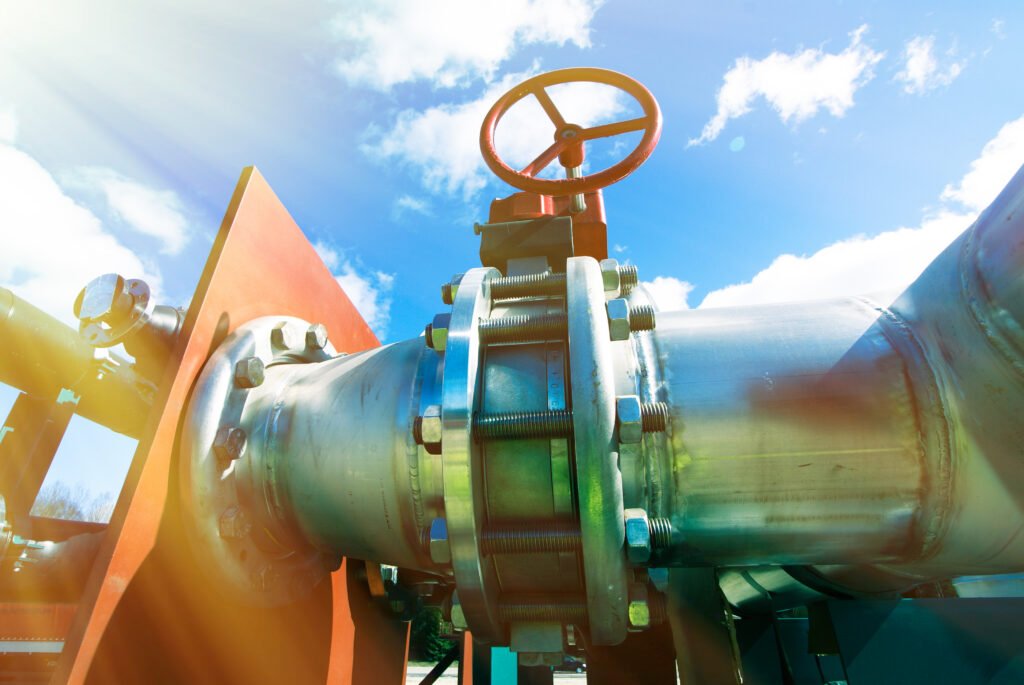
Infrastructure projects demand piping systems capable of delivering long-term performance under challenging environmental conditions. As construction standards continue to evolve, HDPE pipes have emerged as one of the most preferred materials for modern infrastructure development. The popularity of HDPE pipes is driven by their combination of strength, flexibility, and durability. Unlike conventional materials that may corrode or crack over time, HDPE maintains its structural integrity even when exposed to moisture, chemicals, and varying soil conditions. Installation efficiency is another reason why HDPE piping systems are widely adopted. Lightweight materials make transportation and handling easier, while heat fusion joining creates seamless connections that significantly reduce leakage risks and maintenance requirements. HDPE pipes also offer excellent resistance to impact and abrasion, making them suitable for demanding applications such as mining operations, industrial facilities, municipal water networks, and wastewater systems. Their flexibility allows them to adapt to ground movement without compromising system performance. From an economic perspective, HDPE pipes provide substantial long-term value. Although initial installation costs may vary depending on project specifications, their minimal maintenance requirements and extended service life contribute to lower lifecycle costs compared to many conventional piping materials. Sustainability has become another important consideration in infrastructure development. HDPE pipes support environmentally responsible construction through reduced leakage, efficient resource utilization, and recyclable materials that help minimize environmental impact. Today, HDPE piping systems are widely implemented in water distribution, sanitation, irrigation, industrial processing, marine engineering, and utility infrastructure. Their proven reliability makes them a trusted solution for projects requiring safety, efficiency, and long-term operational performance. PT Suryaplast HDPE Indonesia is committed to supplying premium HDPE piping solutions that meet the evolving demands of modern infrastructure. Through quality products, professional expertise, and responsive customer support, we help customers build reliable piping systems designed for lasting success.
HDPE Pipe Specifications: How to Choose the Right Pipe for Your Project
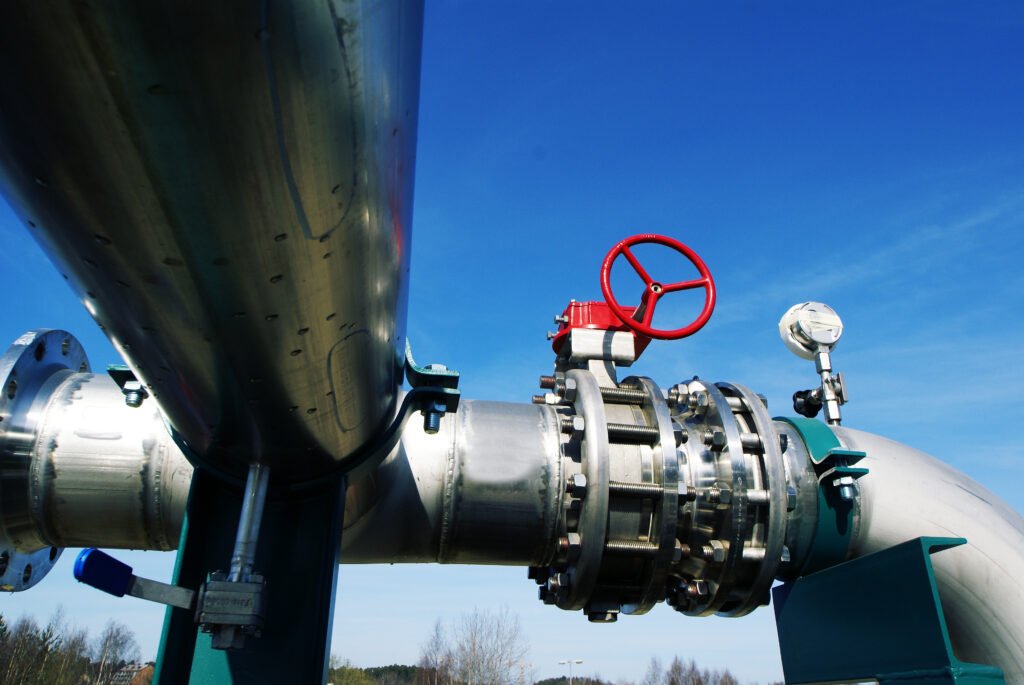
Selecting the appropriate HDPE pipe is one of the most important decisions in any piping project. The correct specification not only ensures efficient system performance but also improves safety, minimizes maintenance costs, and extends the overall lifespan of the installation. Several factors should be considered before selecting an HDPE pipe. Pipe Diameter The pipe diameter directly affects flow capacity. Choosing a diameter that is too small can restrict water flow and increase pressure loss, while selecting an oversized pipe may result in unnecessary project costs. Proper hydraulic calculations are essential to determine the most suitable size. Pressure Rating (PN) HDPE pipes are available in different pressure classes, commonly referred to as PN (Pressure Nominal). The appropriate PN rating depends on the operating pressure of the system. Selecting the correct pressure rating ensures safe and reliable operation throughout the service life of the pipeline. SDR Classification Another important specification is the Standard Dimension Ratio (SDR), which defines the relationship between the pipe diameter and wall thickness. Lower SDR values indicate thicker pipe walls and higher pressure resistance, making them suitable for demanding applications. Installation Environment Environmental conditions also play a significant role in pipe selection. Underground installations, industrial facilities, irrigation systems, and water distribution networks each require different design considerations to achieve optimal performance. Product Standards Always choose HDPE pipes manufactured in accordance with recognized national or international standards to ensure consistent quality, durability, and safety. Partnering with an experienced supplier is equally important. Professional technical support can help identify the most suitable piping solution based on project specifications, operating conditions, and long-term performance requirements. PT Suryaplast HDPE Indonesia offers a complete range of HDPE piping solutions with various sizes and specifications to support projects of all scales. Our team is ready to assist customers in selecting products that deliver maximum efficiency and reliability.