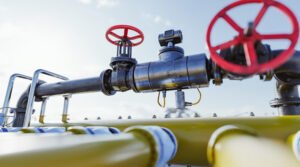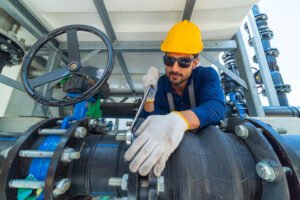
Selecting the appropriate piping system is a critical step in ensuring the success, efficiency, and long-term reliability of any industrial project. Whether the project involves manufacturing facilities, water treatment plants, mining operations, chemical processing, or infrastructure development, the piping system plays a vital role in transporting fluids safely and efficiently.
One of the first factors to consider is the nature of the material being transported. Different industries handle water, chemicals, wastewater, gases, or other specialized fluids, each requiring piping materials with specific performance characteristics. Choosing a piping system that is compatible with the transported medium helps prevent corrosion, leakage, and premature system failure.
Operating pressure and temperature are equally important considerations. Industrial piping systems often operate under demanding conditions, making it essential to select pipes capable of withstanding continuous pressure and varying temperatures without compromising structural integrity. Proper pressure ratings and material specifications should always align with the project’s operational requirements.
Environmental conditions also influence piping performance. Underground installations, coastal areas, industrial environments, and regions with unstable soil require materials that can resist corrosion, abrasion, and external stress. HDPE piping systems are widely recognized for their excellent resistance to chemicals, moisture, and ground movement, making them a preferred solution for many industrial applications.
Another key consideration is installation efficiency. Lightweight piping materials simplify transportation and handling, reducing installation time and labor costs. In addition, fusion welding technology used in HDPE systems creates seamless joints that minimize leakage and improve overall system reliability.
Maintenance requirements should also be evaluated during the planning stage. Selecting durable, low-maintenance materials can significantly reduce operational expenses over the lifespan of the project. Investing in high-quality piping systems often results in lower repair costs, fewer service interruptions, and improved long-term performance.
Finally, partnering with an experienced supplier ensures access to quality products, technical consultation, and reliable after-sales support. A trusted supplier can recommend the most suitable piping solutions based on project specifications, helping customers achieve safe, efficient, and cost-effective installations.
At PT Suryaplast HDPE Indonesia, we provide comprehensive HDPE piping solutions designed to support industrial and infrastructure projects across Indonesia. Our commitment to quality products and professional service helps customers build reliable piping systems that deliver long-lasting performance.