Why HDPE Pipes Are the Preferred Choice for Modern Infrastructure
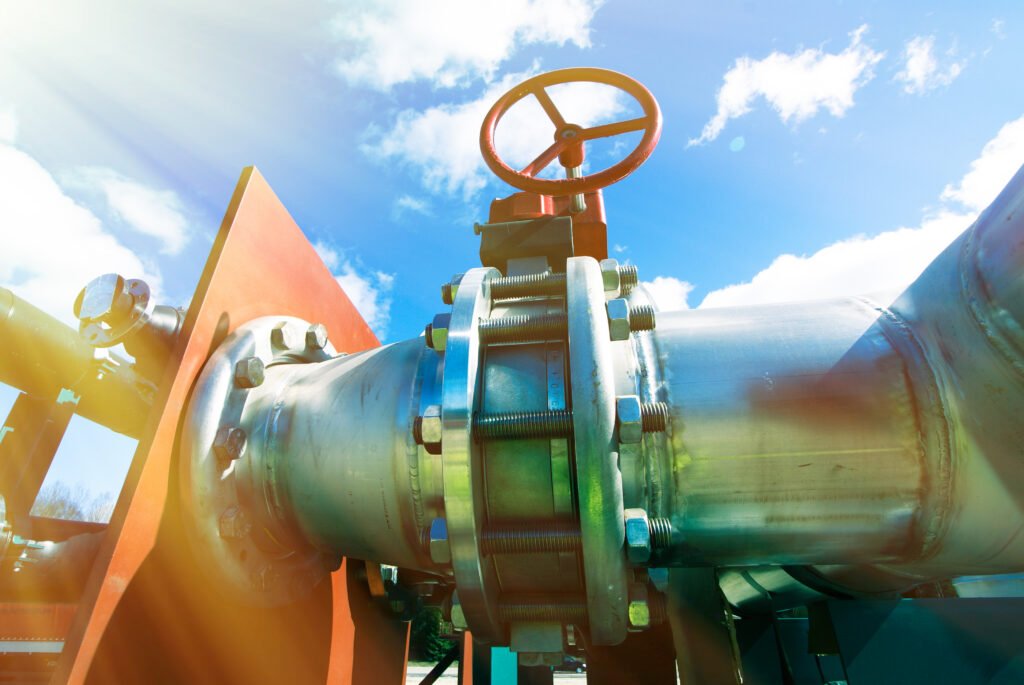
Infrastructure projects demand piping systems capable of delivering long-term performance under challenging environmental conditions. As construction standards continue to evolve, HDPE pipes have emerged as one of the most preferred materials for modern infrastructure development. The popularity of HDPE pipes is driven by their combination of strength, flexibility, and durability. Unlike conventional materials that may corrode or crack over time, HDPE maintains its structural integrity even when exposed to moisture, chemicals, and varying soil conditions. Installation efficiency is another reason why HDPE piping systems are widely adopted. Lightweight materials make transportation and handling easier, while heat fusion joining creates seamless connections that significantly reduce leakage risks and maintenance requirements. HDPE pipes also offer excellent resistance to impact and abrasion, making them suitable for demanding applications such as mining operations, industrial facilities, municipal water networks, and wastewater systems. Their flexibility allows them to adapt to ground movement without compromising system performance. From an economic perspective, HDPE pipes provide substantial long-term value. Although initial installation costs may vary depending on project specifications, their minimal maintenance requirements and extended service life contribute to lower lifecycle costs compared to many conventional piping materials. Sustainability has become another important consideration in infrastructure development. HDPE pipes support environmentally responsible construction through reduced leakage, efficient resource utilization, and recyclable materials that help minimize environmental impact. Today, HDPE piping systems are widely implemented in water distribution, sanitation, irrigation, industrial processing, marine engineering, and utility infrastructure. Their proven reliability makes them a trusted solution for projects requiring safety, efficiency, and long-term operational performance. PT Suryaplast HDPE Indonesia is committed to supplying premium HDPE piping solutions that meet the evolving demands of modern infrastructure. Through quality products, professional expertise, and responsive customer support, we help customers build reliable piping systems designed for lasting success.
HDPE Pipe Specifications: How to Choose the Right Pipe for Your Project
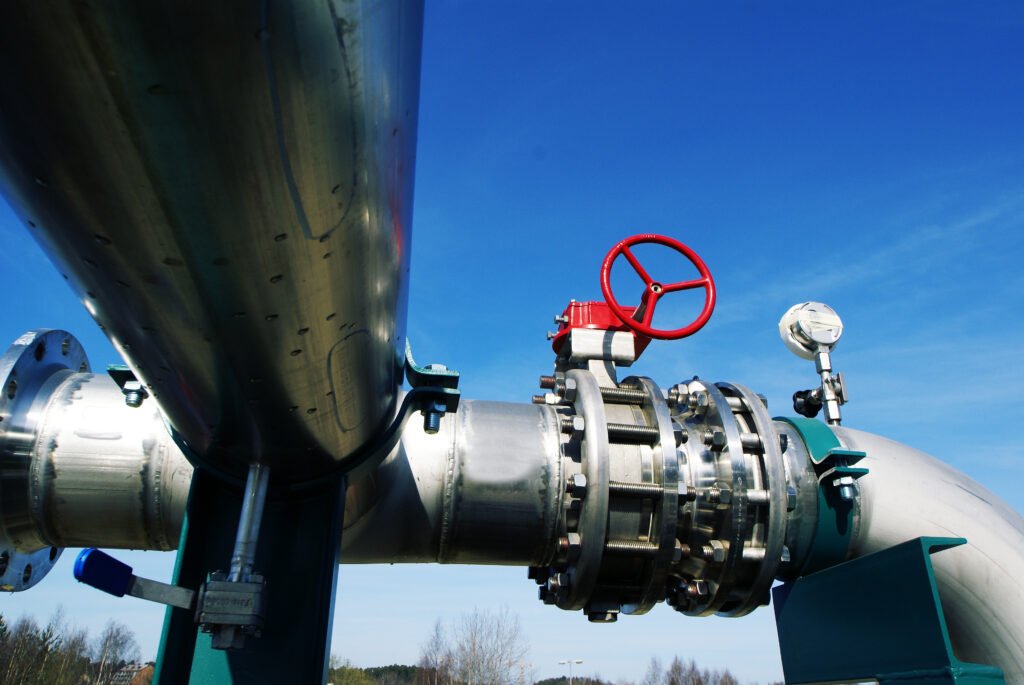
Selecting the appropriate HDPE pipe is one of the most important decisions in any piping project. The correct specification not only ensures efficient system performance but also improves safety, minimizes maintenance costs, and extends the overall lifespan of the installation. Several factors should be considered before selecting an HDPE pipe. Pipe Diameter The pipe diameter directly affects flow capacity. Choosing a diameter that is too small can restrict water flow and increase pressure loss, while selecting an oversized pipe may result in unnecessary project costs. Proper hydraulic calculations are essential to determine the most suitable size. Pressure Rating (PN) HDPE pipes are available in different pressure classes, commonly referred to as PN (Pressure Nominal). The appropriate PN rating depends on the operating pressure of the system. Selecting the correct pressure rating ensures safe and reliable operation throughout the service life of the pipeline. SDR Classification Another important specification is the Standard Dimension Ratio (SDR), which defines the relationship between the pipe diameter and wall thickness. Lower SDR values indicate thicker pipe walls and higher pressure resistance, making them suitable for demanding applications. Installation Environment Environmental conditions also play a significant role in pipe selection. Underground installations, industrial facilities, irrigation systems, and water distribution networks each require different design considerations to achieve optimal performance. Product Standards Always choose HDPE pipes manufactured in accordance with recognized national or international standards to ensure consistent quality, durability, and safety. Partnering with an experienced supplier is equally important. Professional technical support can help identify the most suitable piping solution based on project specifications, operating conditions, and long-term performance requirements. PT Suryaplast HDPE Indonesia offers a complete range of HDPE piping solutions with various sizes and specifications to support projects of all scales. Our team is ready to assist customers in selecting products that deliver maximum efficiency and reliability.
Complete Guide to HDPE Pipes: Benefits, Applications, and Advantages
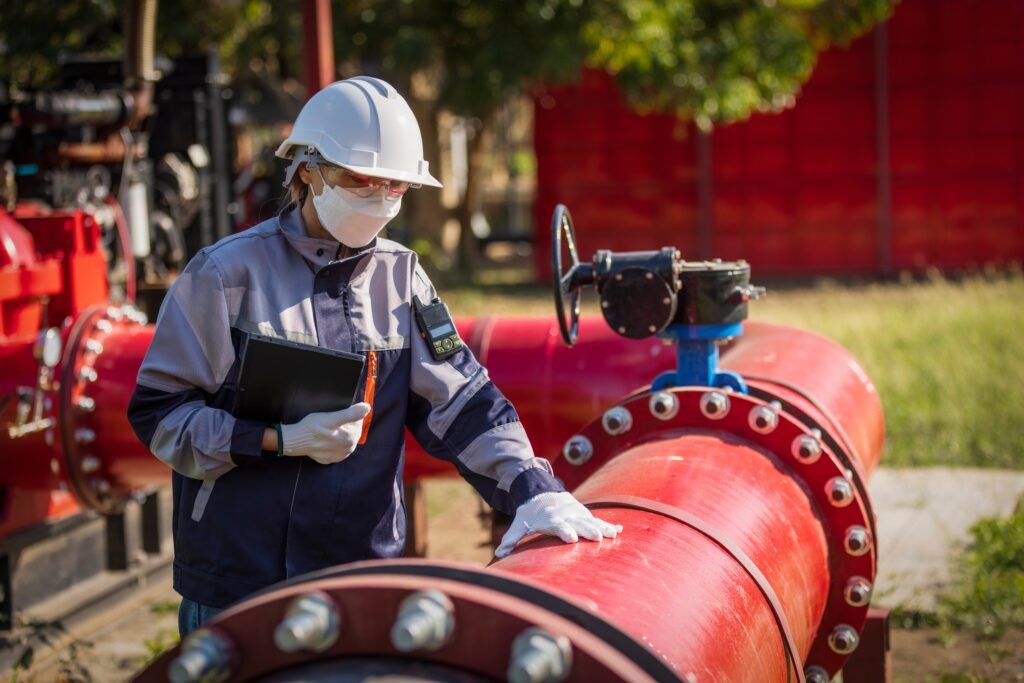
High-Density Polyethylene (HDPE) pipes have become one of the most reliable piping solutions for modern infrastructure, industrial facilities, commercial buildings, and water distribution systems. Known for their exceptional durability, flexibility, and corrosion resistance, HDPE pipes continue to replace conventional piping materials in a wide range of applications. Unlike traditional metal or concrete pipes, HDPE pipes are manufactured from high-density polyethylene, a thermoplastic material engineered to withstand harsh environmental conditions and demanding operational requirements. Their ability to perform efficiently over long periods makes them an ideal choice for projects requiring dependable and cost-effective piping systems. One of the key advantages of HDPE pipes is their outstanding resistance to corrosion and chemical exposure. Since they do not rust or deteriorate when exposed to moisture, chemicals, or underground conditions, they require significantly less maintenance compared to conventional piping materials. This characteristic contributes to a longer service life while reducing maintenance costs throughout the project’s lifecycle. Another important benefit is flexibility. HDPE pipes can absorb ground movement, vibration, and pressure changes without cracking, making them particularly suitable for earthquake-prone areas or locations with unstable soil conditions. Their flexibility also simplifies installation by allowing longer pipe lengths and reducing the number of joints required. Leak prevention is another major advantage. HDPE piping systems commonly utilize heat fusion welding techniques, creating seamless and leak-free connections that are often stronger than the pipe itself. This minimizes water loss, reduces the risk of contamination, and enhances overall system reliability. HDPE pipes are widely used across numerous industries and applications, including: In addition to their technical performance, HDPE pipes are also environmentally friendly. Their long service life, recyclability, and reduced leakage contribute to more sustainable infrastructure development while lowering long-term operational costs. Choosing the right HDPE piping system involves considering several factors, including pipe diameter, pressure rating (PN), installation environment, and project requirements. Working with a trusted supplier ensures that the selected products meet industry standards and deliver optimal performance throughout the system’s lifetime. At PT Suryaplast HDPE Indonesia, we provide a comprehensive range of high-quality HDPE piping products designed to meet the needs of industrial, commercial, and infrastructure projects. Supported by professional service and technical expertise, we are committed to delivering reliable solutions that help every project achieve long-lasting performance.