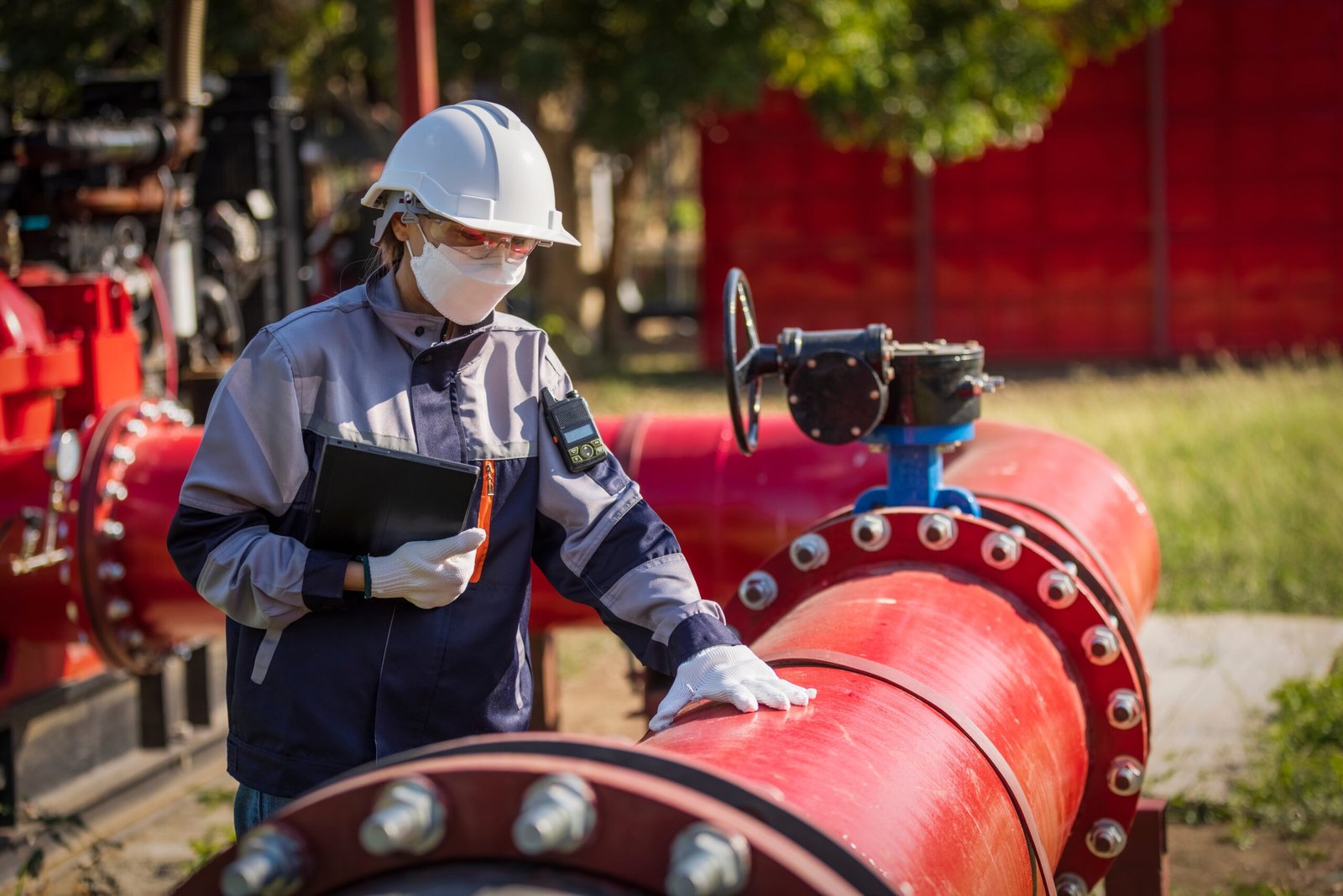
High-Density Polyethylene (HDPE) pipes have become one of the most reliable piping solutions for modern infrastructure, industrial facilities, commercial buildings, and water distribution systems. Known for their exceptional durability, flexibility, and corrosion resistance, HDPE pipes continue to replace conventional piping materials in a wide range of applications.
Unlike traditional metal or concrete pipes, HDPE pipes are manufactured from high-density polyethylene, a thermoplastic material engineered to withstand harsh environmental conditions and demanding operational requirements. Their ability to perform efficiently over long periods makes them an ideal choice for projects requiring dependable and cost-effective piping systems.
One of the key advantages of HDPE pipes is their outstanding resistance to corrosion and chemical exposure. Since they do not rust or deteriorate when exposed to moisture, chemicals, or underground conditions, they require significantly less maintenance compared to conventional piping materials. This characteristic contributes to a longer service life while reducing maintenance costs throughout the project’s lifecycle.
Another important benefit is flexibility. HDPE pipes can absorb ground movement, vibration, and pressure changes without cracking, making them particularly suitable for earthquake-prone areas or locations with unstable soil conditions. Their flexibility also simplifies installation by allowing longer pipe lengths and reducing the number of joints required.
Leak prevention is another major advantage. HDPE piping systems commonly utilize heat fusion welding techniques, creating seamless and leak-free connections that are often stronger than the pipe itself. This minimizes water loss, reduces the risk of contamination, and enhances overall system reliability.
HDPE pipes are widely used across numerous industries and applications, including:
- Water supply and distribution systems
- Wastewater and sewage networks
- Industrial process piping
- Mining operations
- Agricultural irrigation
- Gas distribution systems
- Marine and aquaculture projects
- Infrastructure and utility installations
In addition to their technical performance, HDPE pipes are also environmentally friendly. Their long service life, recyclability, and reduced leakage contribute to more sustainable infrastructure development while lowering long-term operational costs.
Choosing the right HDPE piping system involves considering several factors, including pipe diameter, pressure rating (PN), installation environment, and project requirements. Working with a trusted supplier ensures that the selected products meet industry standards and deliver optimal performance throughout the system’s lifetime.
At PT Suryaplast HDPE Indonesia, we provide a comprehensive range of high-quality HDPE piping products designed to meet the needs of industrial, commercial, and infrastructure projects. Supported by professional service and technical expertise, we are committed to delivering reliable solutions that help every project achieve long-lasting performance.